مجسم العمود الفقري الملون (45 سم) – خريطتك البصرية لإتقان تشريح الظهر
وداعاً للارتباك بين أنواع الفقرات! نقدم لك في متجر "قود دكتور" مجسم العمود الفقري الملون، الأداة التعليمية الأكثر فعالية لطلاب الطب والتمريض. بفضل تصميمه المعتمد على الألوان المتباينة، ستتمكن من تحديد كل منطقة بدقة وسرعة، مما يحول المذاكرة المعقدة إلى تجربة بصرية ممتعة وسهلة الحفظ.
لماذا يعتبر هذا المجسم الملون قطعة لا غنى عنها؟
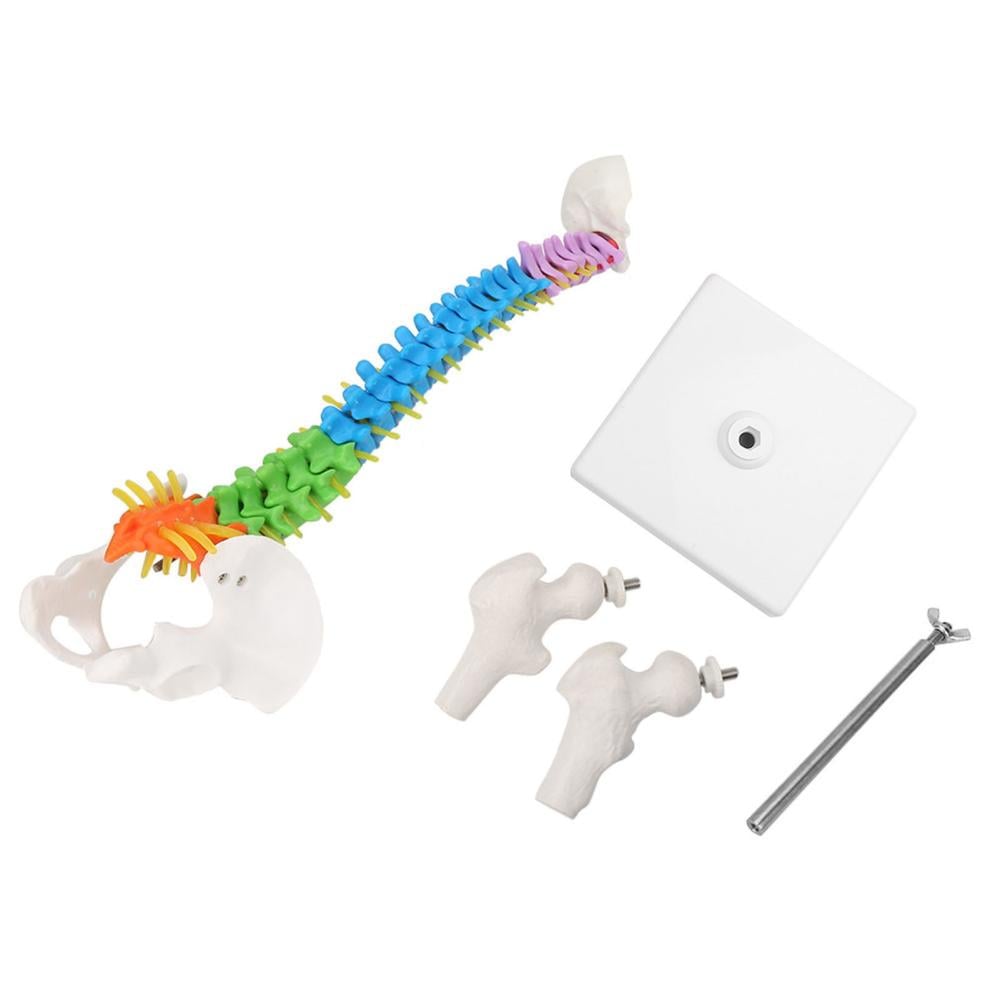
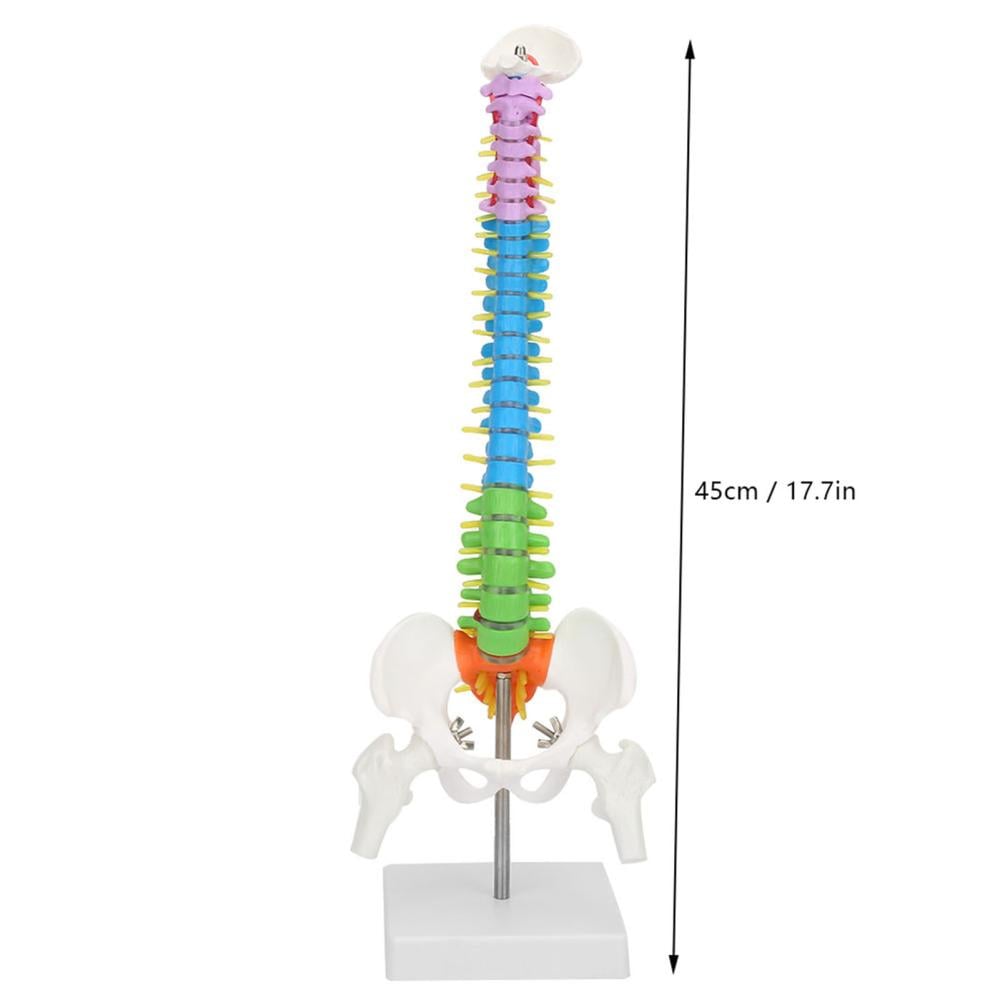
- ترميز لوني ذكي: تم تلوين المناطق (العنقية، الصدرية، القطنية، العجز والعصعص) بألوان مختلفة، مما يسهل على الطالب والمريض فهم التقسيمات التشريحية للعمود الفقري بلمحة بصر.
- تفاصيل شريانية وعصبية دقيقة: لا يقتصر المجسم على العظام فقط، بل يبرز بوضوح الشرايين الفقرية (Vertebral Arteries) وجذور الأعصاب والأقراص بين الفقرات (Discs)، مما يجعله مثالياً لدراسة جراحة الأعصاب.
- حجم مثالي للعرض (45 سم): يوفر توازناً ممتازاً بين الوضوح التشريحي وسهولة وضعه على المكتب الدراسي أو في العيادات الطبية كأداة شرح احترافية للمرضى.
- هيكل مرن ومتين: مصنوع من بلاستيك طبي عالي الجودة يجمع بين الصلابة في العظام والمرونة التي تسمح بفهم ميكانيكية حركة العمود الفقري.
ماذا يوضح المجسم؟
- الفقرات العنقية (Cervical).
- الفقرات الصدرية (Thoracic).
- الفقرات القطنية (Lumbar).
- عظم العجز والعصعص (Sacrum & Coccyx).
- الشريان السباتي العنقي والشرايين الفقرية.
❓ 4. الأسئلة الشائعة:
س: ما هي الفائدة من تلوين الفقرات في هذا المجسم؟ ج: التلوين يساعد بشكل كبير في "الذاكرة البصرية"، حيث يسهل على الطلاب تمييز عدد وشكل الفقرات في كل منطقة (مثل الفرق بين الفقرات الصدرية والقطنية) دون خلط.
س: هل يأتي المجسم مع قاعدة للتثبيت؟ ج: نعم، يأتي المجسم مع قاعدة متينة تسمح بعرضه بشكل رأسي مستقر على المكتب أو في المختبر التعليمي.
س: هل يمكن استخدامه في عيادات العلاج الطبيعي؟ ج: بكل تأكيد، هو من أفضل الوسائل لشرح مشاكل القوام، الانزلاقات الغضروفية، وضغط الأعصاب للمرضى بطريقة مبسطة ومفهومة.
🔗 5. منتجات ذات صلة:
- مجسم أمراض الانزلاق الغضروفي (الديسك): لتوضيح تفصيلي لحالات الإصابة في الفقرات القطنية.
- مجسم حوض الأنثى بالحجم الطبيعي: لدراسة اتصال العمود الفقري بقاعدة الحوض.